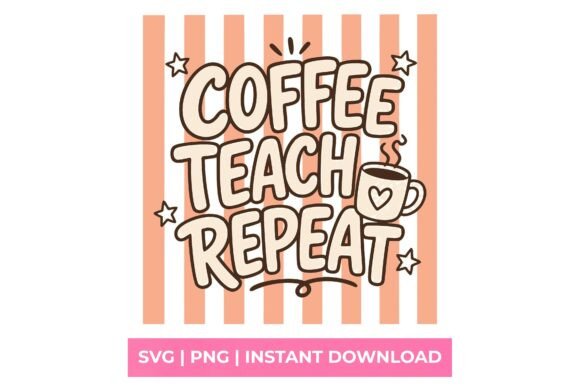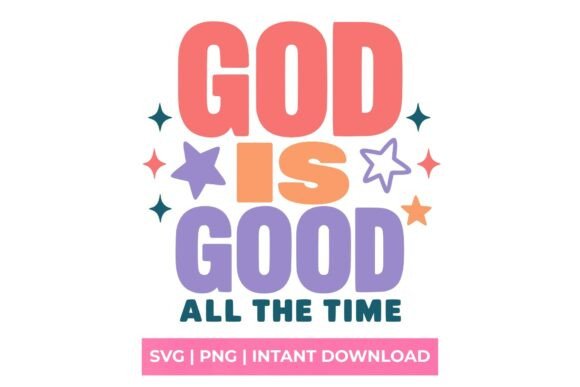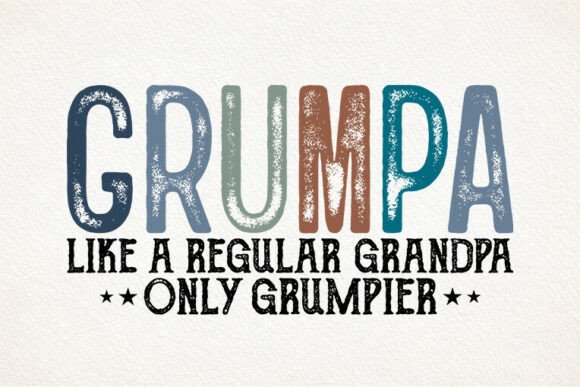
Retro SVG for T-Shirt Designs and Graphics
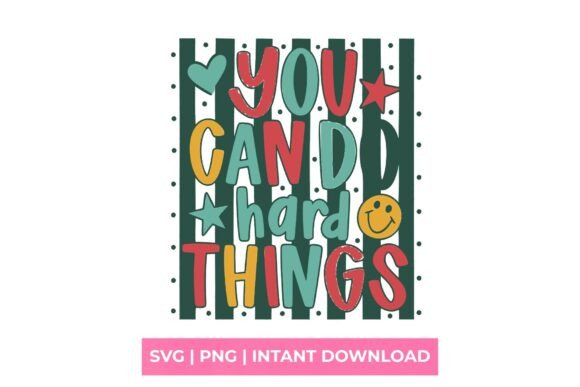
When a client approaches me with a request for a brand identity that feels authentic, resilient, and slightly nostalgic, my first instinct is to scan my library for assets that carry emotional weight without sacrificing technical precision. Recently, while developing a visual concept for a boutique wellness studio launching a line of motivational apparel, I pulled the You Can Do Hard Things Retro SVG from my collection to see if it could anchor the campaign. As a designer who constantly balances aesthetic trends with commercial viability, my review process is less about whether a file looks "cute" and more about whether it can withstand the rigors of real-world production, from large-format printing to tiny social media icons.
First Impressions and Visual Mood
The immediate impact of this graphic design asset is its ability to evoke a specific era of typography and illustration without feeling dated or cliché. The retro styling suggests a 1970s influence, characterized by bold curves and a sense of handcrafted warmth that resonates deeply with current market trends. For a project targeting a demographic that values mental health awareness and personal growth, this visual language is perfect. It creates a mood of encouragement and strength, transforming a simple phrase into a badge of honor. Unlike generic stock vectors that often feel sterile, this piece has character. It fits naturally into projects requiring a handmade business aesthetic or small business branding that aims to feel approachable yet professional.
Performance in Real-World Design Scenarios
In the context of actual client deliverables, versatility is king. I tested this file across a spectrum of applications to gauge its adaptability. For T-Shirt Designs, which are often the primary revenue stream for many of my e-commerce clients, the scalability of the SVG format is non-negotiable. This asset performed exceptionally well when scaled up for a chest print on a heavyweight cotton tee. The lines remained crisp, and the vector paths were clean, ensuring no jagged edges during the screen printing or heat transfer process.
Beyond apparel, I evaluated its potential for packaging design. Imagine a line of affirmation cards or a limited-edition coffee blend; placing this graphic on a kraft paper label adds an instant layer of artisanal quality. It also shines in social media graphics. When adapted for an Instagram story or a Pinterest pin, the bold retro shapes grab attention in a crowded feed. For Cricut projects and vinyl cutting enthusiasts, the file structure appears optimized for precise weeding, making it a reliable choice for crafters selling custom stickers or decals on platforms like Etsy.
Furthermore, as a component of a larger design bundle for a website launch, this illustration works effectively as a hero graphic on a landing page dedicated to community building. It bridges the gap between editorial design and web design, offering a visual hook that encourages users to scroll further. Whether used as a standalone clipart element or integrated into a complex Canva template for coaches and therapists, the asset maintains its integrity.
Ideal Applications and Strategic Placement
To get the most out of this digital product, it is best deployed in areas where the retro aesthetic can breathe. It excels in:
- Hero Graphics: Using it as the central focal point on posters or flyers where the message needs to be loud and clear.
- Product Mockups: Applying it to tote bags, mugs, and apparel mockups to visualize the final print-on-demand result for clients.
- Themed Collections: Incorporating it into a series of seasonal campaign visuals that rely on nostalgia and emotional connection.
- Decorative Accents: Using it to break up text-heavy layouts in brochures or digital guides, adding a touch of personality.
- Printable Designs: Creating high-resolution wall art or journal covers where the texture and style of the retro font enhance the tactile feel of the print.
Constraints and Areas for Caution
However, professional judgment requires knowing when not to use an asset. While the You Can Do Hard Things Retro SVG is powerful, it demands careful handling in certain contexts. In minimalist branding projects that require ultra-clean, sans-serif neutrality, this decorative style might clash with the desired corporate tone. It should be used cautiously in crowded layouts; because the retro lettering often features tight kerning and stylistic ligatures, shrinking it too small can compromise readability.
Additionally, placing this graphic on complex backgrounds or low-contrast images can render the details invisible. For professional corporate materials such as legal documents or strict financial reports, the playful nature of the retro style may undermine the necessary visual trust and seriousness. Designers must ensure that the visual hierarchy remains intact; if this graphic competes with other heavy display fonts, the overall composition can feel chaotic rather than cohesive.
Impact on Brand Perception and Readability
The choice of typography and illustration style directly influences audience engagement and brand consistency. This specific SVG carries an emotional appeal that says, "We understand your struggle, and we are here to support you." For brands in the wellness, education, or creative sectors, this builds immediate rapport. However, readability is paramount. The retro styling, while beautiful, can sometimes sacrifice legibility at a glance. Before finalizing any commercial design, I always test the asset in black and white to ensure the shapes hold up without the crutch of color. Checking contrast on both light and dark backgrounds is essential to maintain professionalism and ensure the message is received clearly by all viewers.
Practical Designer Notes for Commercial Use
Before integrating this asset into a paid client project, there are several technical checks every responsible designer should perform. First, inspect the file formats. While the primary deliverable is an SVG design, ensure you have access to high-resolution PNG design files with transparency if needed for quick prototyping. Verify the commercial license terms explicitly; using a file meant for personal crafting in a mass-production Etsy product line can lead to legal issues.
From a technical standpoint, open the vector file in your preferred software to check the node count. Clean paths mean smoother cuts for vinyl and cleaner prints for screen printing. Compare how this retro style interacts with your existing serif font, sans serif font, or script font choices. Often, pairing a bold retro display with a simple, clean body copy creates the most balanced modern design. Finally, always preview the asset on a physical product mockup before sending files to production. What looks perfect on a retina display might lose definition on a textured fabric or a matte paper stock.
In conclusion, the You Can Do Hard Things Retro SVG is a robust tool for designers looking to inject personality and resilience into their work. When used with strategic intent and technical diligence, it elevates marketing visuals and brand identity projects, turning simple messages into memorable visual statements. It is a testament to how the right creative design asset can bridge the gap between a digital file and a tangible, emotionally resonant product.